Connect With Us:

.svg)

support@mithrilindustrial.com |
Call Us Now:
(909) 235-6689
As we move deeper into the 2020s, a fundamental shift is occurring. The 2026 National Defense Strategy and recent peer-to-peer conflicts have signaled the end of the "manpower era." In the wars of tomorrow, the decisive factor will not be who has the most soldiers, but who possesses the industrial means of production to sustain a high-tech, high-attrition conflict.
1. From Human Attrition to Material Attrition
In this environment, "winning" is no longer about occupying a hill with infantry; it is about replenishment rates. The conflicts of the early 2020s highlighted a vulnerability in the defense industrial bases of the United States and its key allies. The most jarring illustration of this vulnerability was the sheer, unsustainable rate of ammunition expenditure. Specifically, the annual production capacity of vital munitions, such as 155mm artillery shells, which had been carefully calibrated for a peacetime, low-tempo operational environment, was being consumed in the theater of war in a matter of mere weeks. This rapid depletion was the "Shatter Point." It demonstrated with that military effectiveness is not solely determined by the quality of frontline troops or the sophistication of weapon systems. Instead, it is fundamentally constrained by the speed and scale at which the the stockpiles and industrial capacity for replenishment can be refilled. When the industrial supply chain cannot keep pace with the operational tempo of the warfighter, the small, elite military force becomes tactically useless — running on empty and risking a strategic defeat regardless of initial tactical successes. Successful future deterrence and defense require a fundamental restructuring of the defense industrial base to ensure that production capacity matches the realistic consumption rates of prolonged, high-intensity combat.
2. The Rise of "Software-Defined" Manufacturing
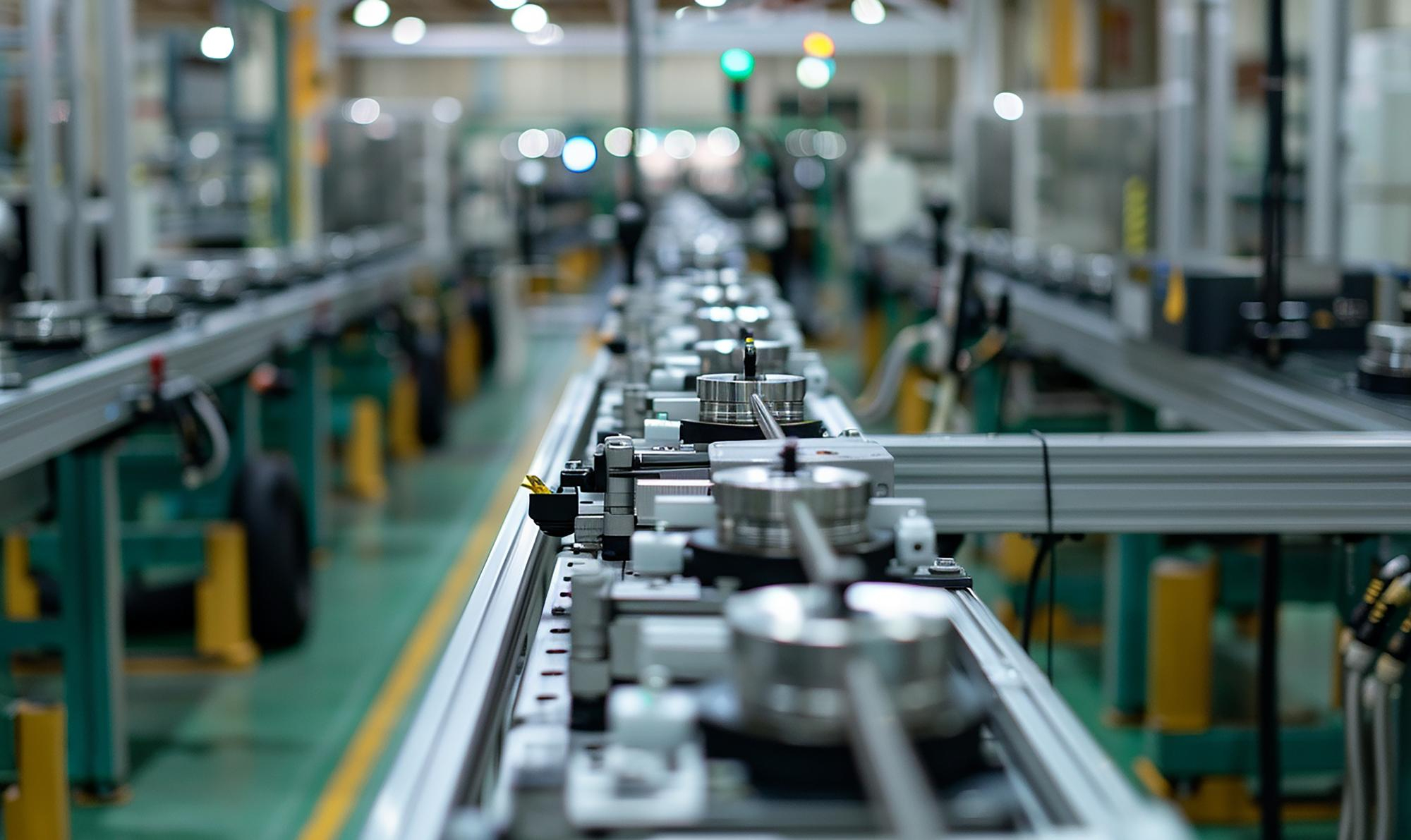
Expanding military production required years of building massive, specialized factories. The future is moving toward Additive Manufacturing (3D Printing) and Automated Micro-factories. Unlike a single massive factory, a decentralized network of thousands of small, automated workshops is nearly impossible to "knock out." The means of production are becoming a distributed network. Missiles, drones, and combat ready munitions will become more reliant on the production capabilities of advanced assembly lines — with production needing to match the real operational pressures of wartime combat, not the ease-of-use found during peacetimes.
The Bottom Line
We are entering an era of "Industrial Deterrence." An adversary is less likely to attack not because they fear your soldiers, but because they know your factories can out-produce their destruction. In the 21st century, the most lethal weapon in a nation’s arsenal isn't a missile — it's the automated assembly line.
%20(1).jpg)
.svg)
